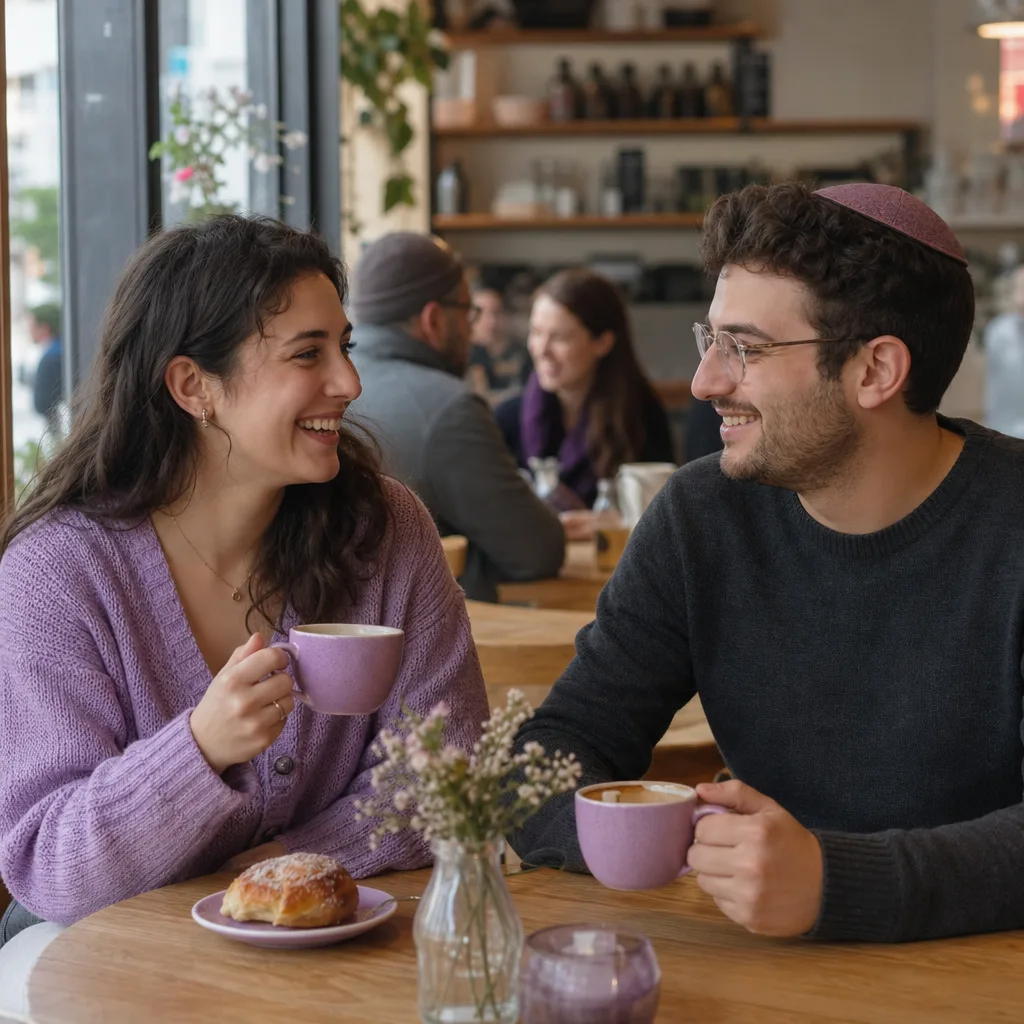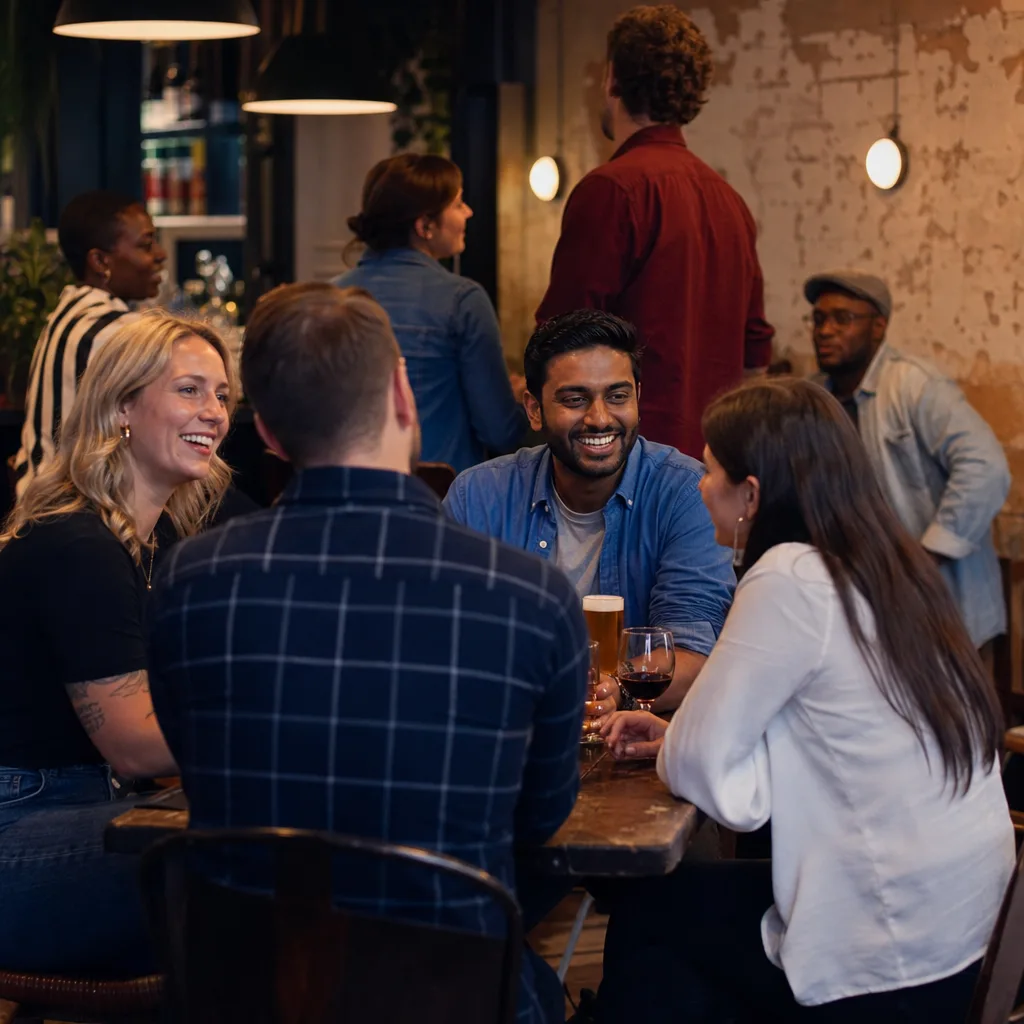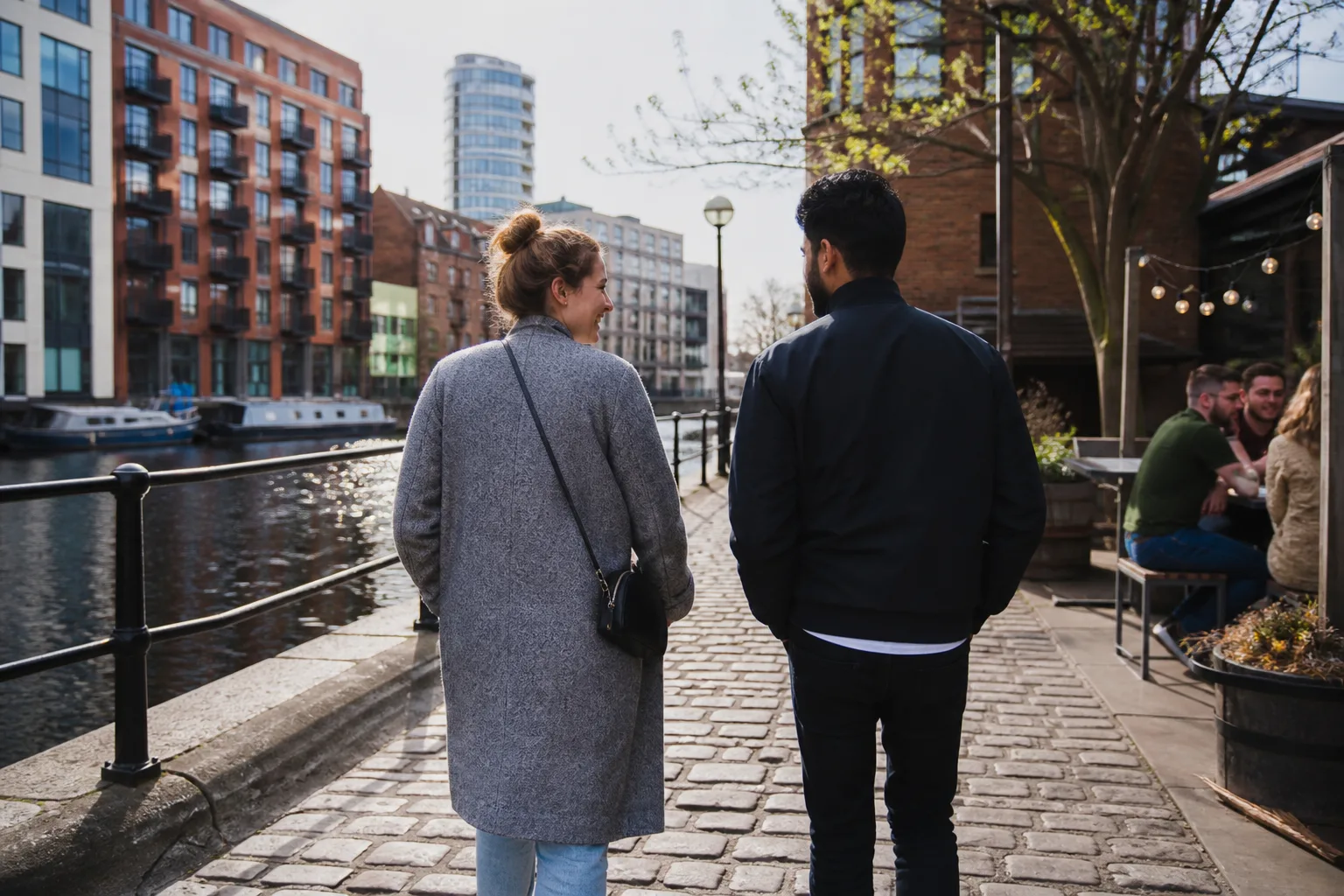
Meet Leeds singles who live close enough for a midweek drink, a Sunday walk and, if things go well, another date.
You match on Monday. By Tuesday, you discover one of you lives in Horsforth and the other is in Morley, both work opposite sides of the city, and the suggested drink involves two buses and a hopeful reading of the traffic. That is dating in Leeds: a large pool of single people, squeezed into a city where a few miles can feel much farther at half past five.
What is dating in Leeds actually like?
Dating in Leeds offers plenty of choice, but the best results come from paying attention to neighbourhood, travel time and everyday routines rather than distance alone.
Leeds retains a large number of graduates and attracts people for work, study and the city’s social life. That gives the dating pool depth across different ages, backgrounds and stages of life. The catch is that activity clusters around the centre, Headingley, Hyde Park and popular northern suburbs such as Chapel Allerton, while people in outer areas can be shown matches who are technically nearby but awkward to reach.
A good local service should understand that LS6 to the city centre is not the same proposition as Pudsey to Garforth. Both can be described as Leeds. Only one might suit a spontaneous Tuesday evening.
The useful question is not simply “How many miles away?” It is “Could we meet after work without turning it into a transport project?”
If that sounds familiar, browse our Leeds dating site and focus on people whose routines overlap with yours, not just profiles inside an arbitrary radius.